Home Builder Trends: What Forces Are Shaping the Future of Home Construction?
The world of home construction is changing at a rapid pace. Important trends are surfacing, propelled by innovations in technology and evolving homebuyer expectations. Advanced home technology, green building materials, and versatile designs are driving the movement. With homebuyers focusing on energy conservation and adaptable living spaces, construction professionals must rise to these challenges. This transformation raises questions about the future of home design and its implications for communities. What form will the future generation of residential spaces genuinely take?
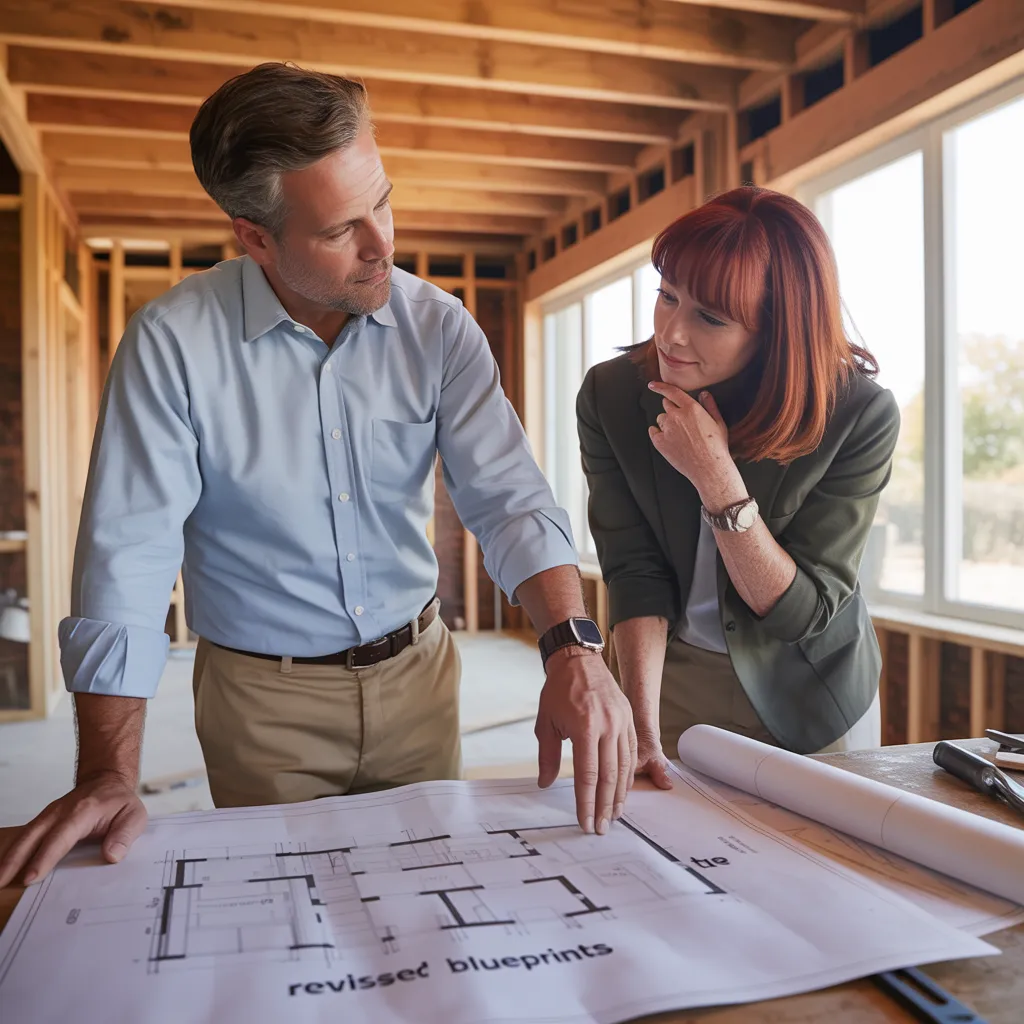
Integrating Smart Home Technology in Construction
Over the past several years, a considerable transformation has emerged in the construction industry as homebuilders increasingly embrace smart home technology. This development highlights a expanding consumer demand for homes fitted with advanced systems that boost security, convenience, and energy efficiency. Systems such as smart thermostats, automated lighting, and integrated security systems are now commonplace in new builds, allowing homeowners to monitor their properties remotely through mobile applications.
Developers understand that incorporating smart technology increases the worth of homes but also attracts technology-oriented homebuyers. The adoption of Internet of Things (IoT) devices facilitates seamless communication among household systems, fostering a more integrated lifestyle. Furthermore, builders are collaborating with tech companies to ensure that systems remain intuitive and aligned with future innovations. As the market evolves, the embrace of smart home technology is positioned to reshape how people live today, making it an essential factor for next-generation residential builds.
Sustainable Building Materials in Home Construction Trends
The rising interest in smart home technology runs parallel to an equivalent emphasis on sustainable building materials in home construction. Residential contractors continue to favor eco-friendly options, understanding their impact on reducing environmental impact and boosting energy conservation. Materials such as recovered lumber, bamboo, and recycled steel are becoming increasingly sought after, reflecting a shift towards resource conservation and sustainability.
Additionally, developments in window efficiency and insulation solutions contribute to reduced energy consumption, aligning with the goals of eco-minded homeowners. Adopting sustainable materials not only fulfills building regulations but also appeals to a demographic that prioritizes environmental stewardship.
As consumers become more aware of their environmental impact, contractors are adapting by selecting eco-friendly materials that cut down on waste and support healthier living conditions. This movement represents a growing pledge to environmental responsibility in construction, showing that today's homes can achieve both technological sophistication and environmental harmony.
Designing Flexible Floor Plans for Modern Living
As more homeowners look for adaptability in their homes, designing flexible floor plans has become essential in today's construction industry. Such flexible designs are tailored to various lifestyles and changing family needs, allowing spaces to serve multiple purposes. Open-concept layouts have gained popularity, facilitating seamless changes between the living room, dining space, and kitchen, while also enabling homeowners to reconfigure spaces as needed.
Including movable walls or multifunctional furniture greatly improves flexibility, supporting everything from residential offices to visitor accommodations. The rise of remote work has also influenced these layouts, inspiring developers to establish purposeful work areas that can seamlessly convert to leisure areas. Additionally, storage options that maximize utility without diminishing design integrity are essential in these versatile floor designs.
At its core, the move toward versatile designs signifies a wider transformation in how people live, reinforcing the importance of homes that are designed to accommodate shifting ways of life and personal goals.
Energy Efficiency and Green Certifications
The growing attention to energy efficiency in home building has driven the growing adoption check this of sustainable building materials and smart home technologies. These methods not only reduce environmental impact but also enhance the total quality of residential environments. As homeowners grow increasingly eco-aware, green certifications are gaining importance in the residential real estate market.
Green Building Materials
As the demand for environmentally friendly building practices keeps growing, eco-conscious construction materials have established themselves as a vital factor in enhancing energy efficiency and securing green certifications. These materials, including recycled steel, bamboo, and reclaimed wood, play a role in reducing environmental strain and cutting carbon output. Furthermore, innovations in insulation technology and energy-saving windows continue to enhance a structure's overall efficiency. A growing number of contractors are pursuing credentials like LEED and BREEAM, which not only demonstrate their sustainability efforts but also resonate with environmentally aware purchasers. By focusing on green building materials, home constructors can design properties that lessen ecological impact while supporting healthier living conditions. This change not only fulfills compliance obligations but also reflects the principles of an increasing number of home purchasers.
Intelligent Home Solutions
A significant transition embracing smart home technologies is reshaping the landscape of energy efficiency and green certifications in residential construction. These innovations enable homeowners to monitor and control energy consumption through connected systems, improving their consumption habits. Smart thermostats, lighting systems, and appliances contribute to lower energy consumption, significantly reducing utility costs and limiting environmental impact.
Moreover, several smart home systems are built to meet sustainability certification benchmarks, such as Energy Star and LEED certifications. This conformity not only boosts a home's market value but also attracts environmentally aware purchasers. As construction professionals increasingly embed smart technologies into their blueprints, the demand for sustainable living solutions continues to expand, forging a greener path forward in home construction.
Multi-Generational Living Spaces: Designing for Everyone
With multi-generational living growing in popularity, residential designs are adapting to meet the needs of diverse families. Versatile floor plans provide the flexibility needed, while dedicated retreat spaces provide personal sanctuary for each family member. Additionally, common shared spaces encourage connection and cooperation, elevating the quality of life for every generation.
Versatile Floor Plans
Adaptable floor plans have become becoming indispensable in contemporary residential design, particularly for facilitating multi-generational family arrangements. These versatile floor plans give families versatile spaces that can evolve to meet evolving household requirements. Through the integration of elements like open-plan zones, flexible walls, and versatile spaces, homeowners can create environments that foster interaction while allowing for privacy. Such adaptability accommodates diverse ways of living, permitting family members to share amenities without diminishing personal well-being. Furthermore, the growth of working from home has increased the need for purposeful home office spaces within these properties. As developers adopt these design philosophies, the priority continues to be crafting homes that address the broad spectrum of family needs, making certain that all residents have an appropriate environment in which to prosper.
Exclusive Retreat Zones
Designing private retreat areas inside homes shared by multiple generations enables a well-balanced balance between communal living spaces and individual seclusion. These designated spaces cater to the diverse needs of individuals within the home, delivering a refuge for relaxation or focused activities. Thoughtfully designed, these areas commonly offer amenities such as warm reading alcoves, personal offices, or peaceful exterior terraces, encouraging a spirit of self-sufficiency. Housing developers are increasingly incorporating soundproofing and flexible floor plans to guarantee tranquility and ease. By championing these secluded spaces, families can strengthen their bonds while respecting each member's need for personal space. At its core, these planning decisions demonstrate a increasing recognition of the importance of mental well-being in multi-generational living environments.
Common Shared Areas
The planning of these areas focuses on accessibility and functionality, addressing the differing abilities of all generations. Integrating adaptable furniture and technology can improve accessibility, simplifying the process for all members to take part. With more families adopting this living arrangement, builders are increasingly prioritizing collaborative shared spaces, recognizing their importance in creating harmonious living environments that strengthen bonds while preserving personal autonomy.
How Urbanization Is Influencing Home Design?
How does urbanization influence contemporary home design? Urbanization drives a shift towards smaller, multifunctional living spaces, highlighting the necessity for efficient utilization of scarce urban land. As urban areas expand, residences are frequently designed to optimize vertical space, incorporating features like lofted areas and built-in storage solutions. This trend prioritizes functionality, guaranteeing that every square foot is purposefully utilized.
Furthermore, metropolitan areas foster the incorporation of green materials and energy-conscious technologies, as property owners continue to pursue environmentally conscious choices. The heightened awareness of community additionally impacts home design, giving rise to the creation of mixed-use properties that blend residential and commercial spaces. Outdoor living areas, such as balconies and rooftop gardens, are becoming essential, offering natural retreats for urban occupants. In summary, urbanization necessitates groundbreaking design concepts that address the changing needs of metropolitan dwellers while championing green living and neighborhood cohesion.
Design Trends Shaping Contemporary Home Building
What aesthetic movements are defining modern residential construction today? Modern home designs are placing greater emphasis on minimalism, combining functionality with simplicity. Crisp lines, expansive open spaces, and neutral color schemes prevail, fostering a feeling of calm and openness. Moreover, the use of organic materials, like wood and stone, nurtures a relationship with the natural world, highlighting a rising appreciation for sustainability and eco-conscious living.
Structural components like oversized windows and eco-friendly rooftops are increasingly popular, allowing for abundant natural light and boosting energy conservation. Moreover, the incorporation of intelligent home systems corresponds to modern design trends, blending visual appeal with state-of-the-art features.
In urban settings, mixed-use projects are gaining popularity, combining residential spaces with commercial and recreational areas, building lively and thriving communities. At their core, these emerging styles not only transform the appearance of properties but also cater to modern living demands, setting the stage for contemporary lifestyles that balance elegance and utility.
Frequently Asked Questions
How Do Home Builder Trends Affect Property Values?
Home builder trends substantially affect real estate values by enhancing desirability through contemporary aesthetics, eco-friendly solutions, and intelligent systems. As demand for innovative features increases, homes that incorporate these developments often experience appreciation in market value.
What Role Do Government Regulations Play in Home Construction Trends?
Government regulations notably influence home construction trends by defining zoning laws, safety standards, and sustainability requirements. These regulations may influence design choices, materials used, and ultimately shape the market dynamics and property values in the industry.
How Does the Labor Shortage Impact Home Building Projects?
The labor shortage considerably delays home building projects, raising expenses and reducing the pool of skilled tradespeople. This deficit compels construction professionals to innovate by adopting advanced building techniques and seeking alternative labor sources to meet demand.
What Funding Options Are Available for New Home Construction?
Various financing options for new home construction include construction-to-permanent loans, conventional loans, FHA loans, VA loans, and personal loans. Each option offers unique benefits, catering to different buyer needs and financial situations.
How Do Home Builder Trends Differ Across Regions?
Home builder trends differ significantly by locality, influenced by regional economies, weather conditions, and cultural influences. Cities frequently emphasize eco-friendly designs and high-density living, while countryside communities often emphasize larger lots and classic architectural styles.